§ Four Tet Wingdings album music marketing
What Four Tet's Secret Album Teaches Artists About Music Marketing
Answer
Four Tet's Wingdings album flipped the discoverability playbook. When everyone is optimizing for the algorithm, the advantage moves to artists who create moments unexpected enough that people feel compelled to talk about them. Discoverability isn't scarce anymore — memorability is.
Intro
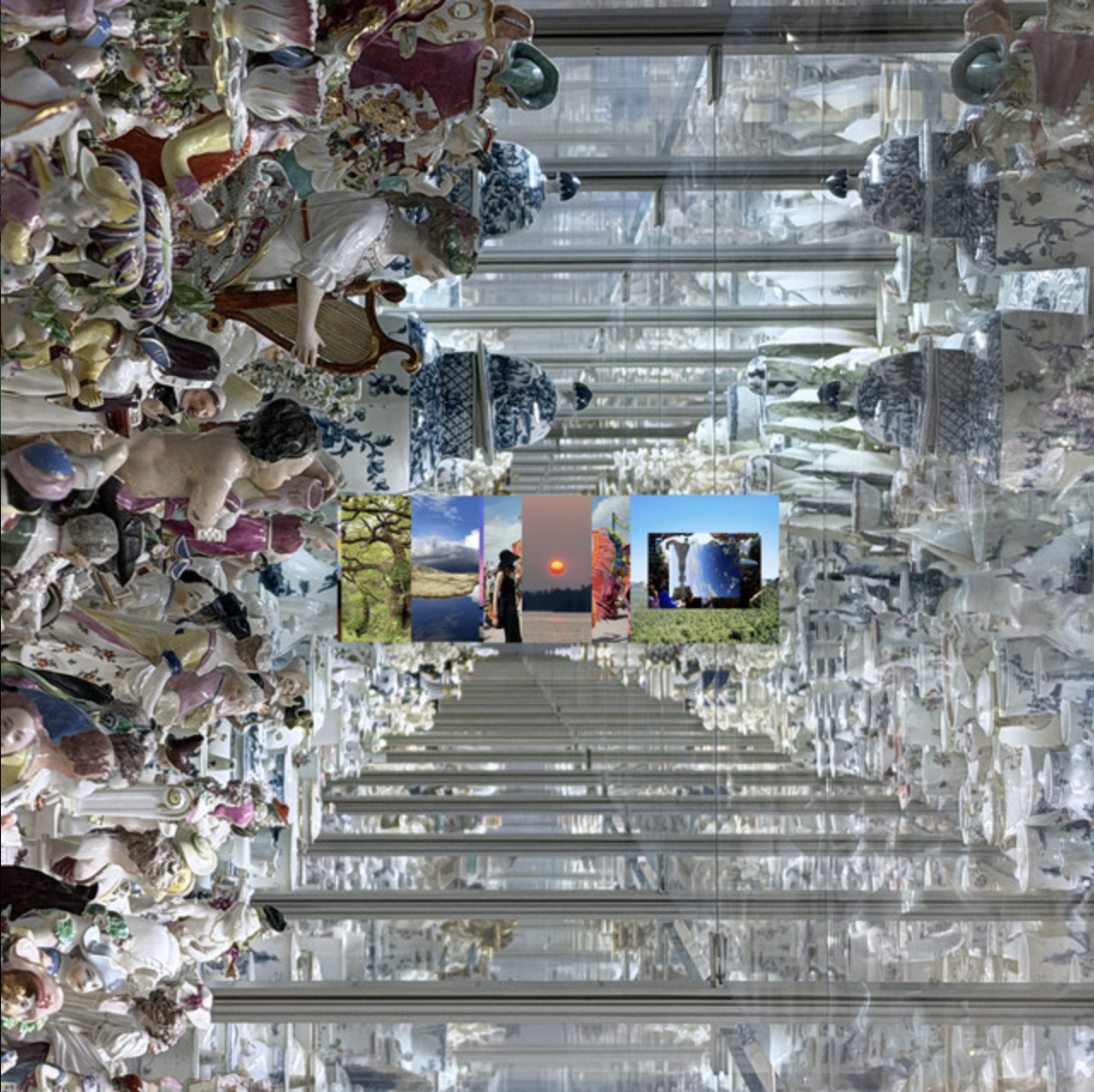
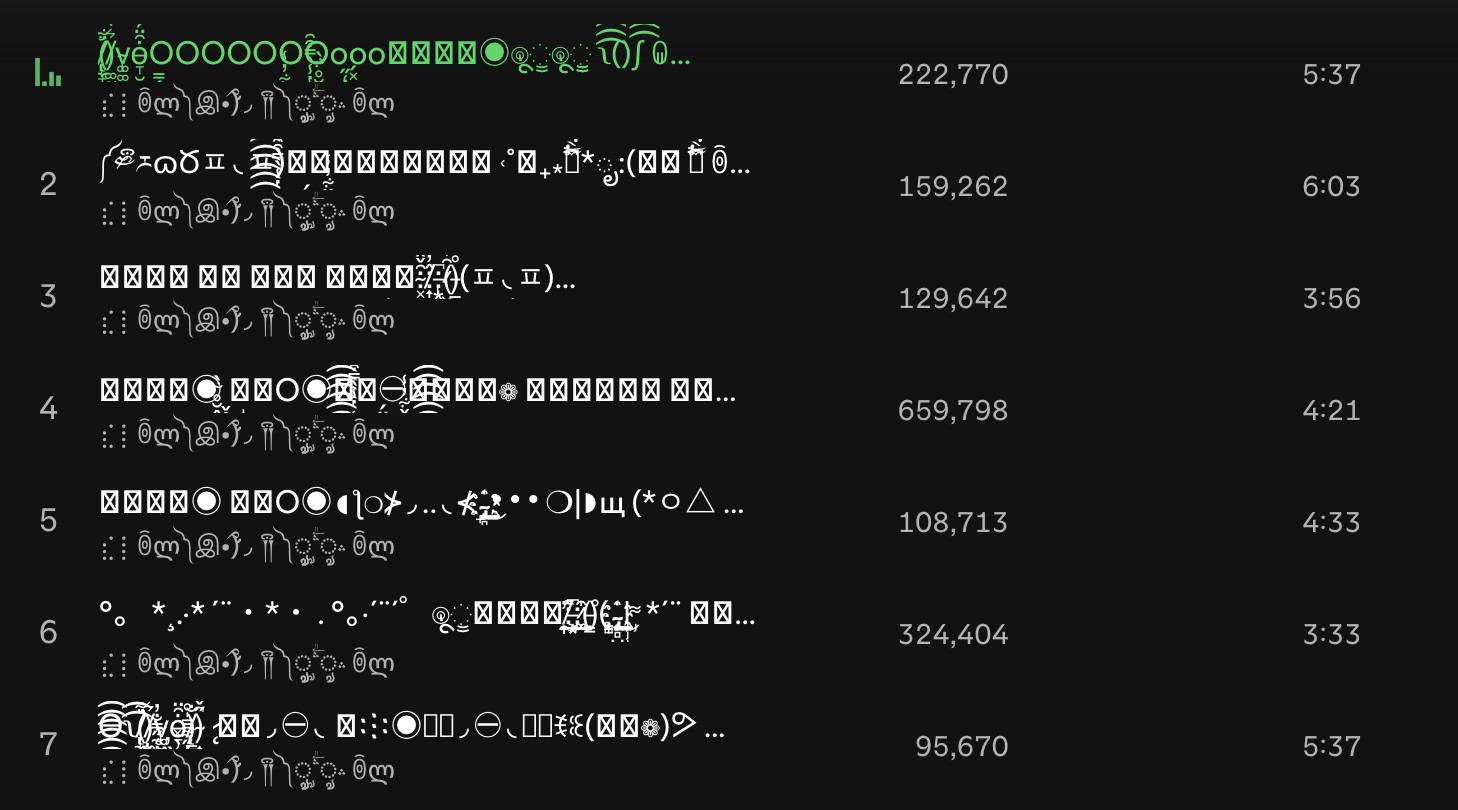
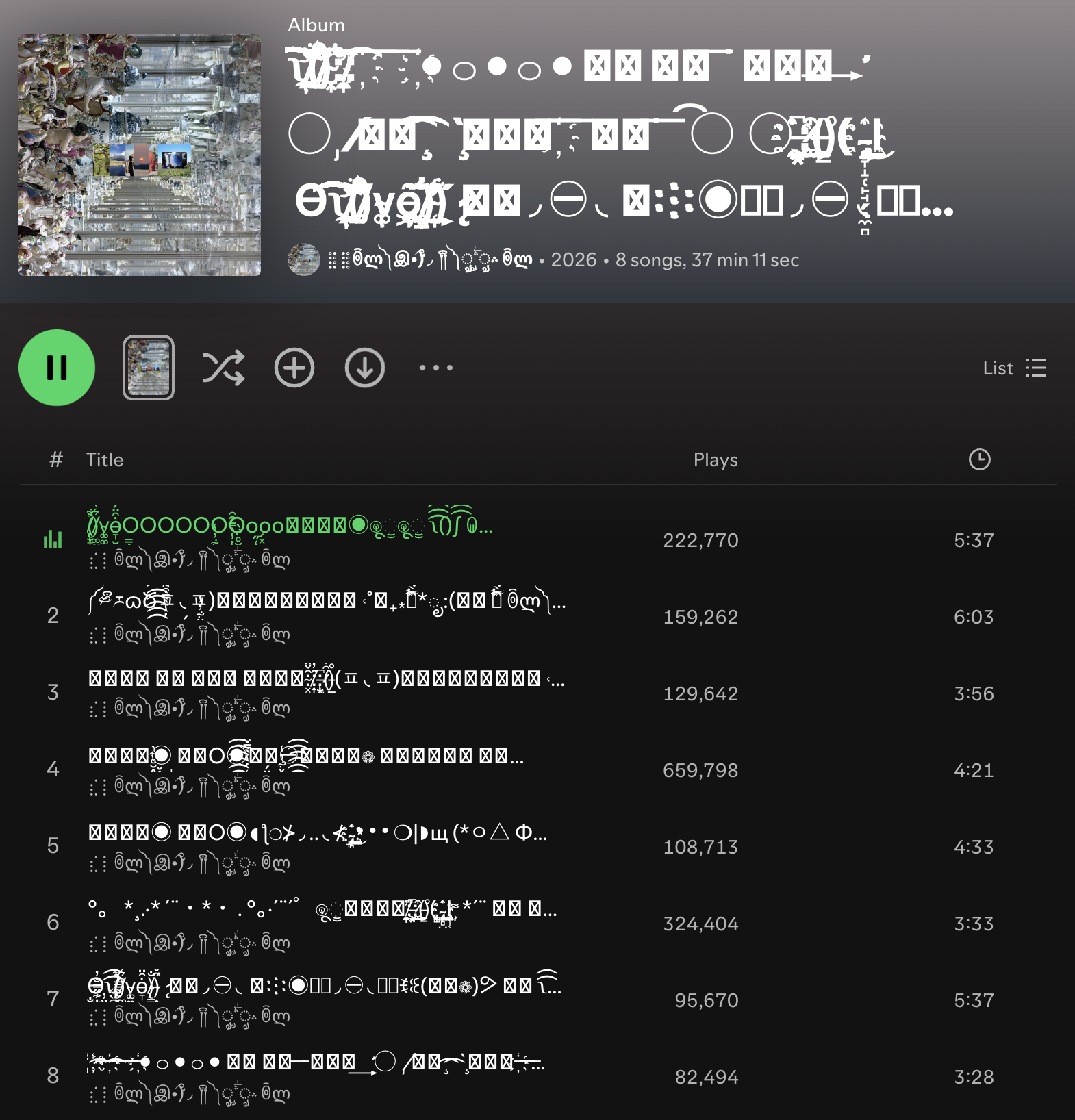
When Four Tet released his latest album, something immediately stood out. The album title wasn't a word. It wasn't even something you could type into Spotify. It was Wingdings. The track titles were the same.
At first, I thought it was just a funny creative decision. But the more I thought about it, the more I realized it says something bigger about where music marketing might be headed.
For the last decade, artists have been taught that discoverability is everything. Make your song title searchable. Use the right keywords. Optimize your metadata. Land on playlists. Feed the algorithm exactly what it wants. None of that advice is wrong — platforms like Spotify, TikTok, and YouTube all rely on metadata to understand and distribute music. But optimization has become the default. And when everyone is optimizing, optimization stops being the advantage.
Discoverability Isn't Scarce Anymore
There has never been more music available than there is today. Spotify alone adds tens of thousands of new songs every day.
The problem isn't that artists can't be discovered. The problem is that being discovered doesn't necessarily make you memorable. Most of us have had Spotify recommend dozens of songs we'll never hear again. They're technically 'discovered,' but they don't become part of our lives. That's a very different thing.
The Real Marketing Happened Outside Spotify
The interesting part about Four Tet's release wasn't that people couldn't search for it. It was that everyone started talking about it. People were sharing screenshots. Sending links. Posting explanations. Making videos decoding the title.
The conversation became the distribution. Instead of Spotify doing all the work, people became the recommendation engine. That's a much more powerful form of marketing — not because it reaches more people, but because it creates context. Someone isn't just sending you a song. They're saying, 'You have to see what this artist just did.' That's a completely different experience.
Friction Can Create Value
For years, technology has been removing friction from everything. One-click checkout. Autoplay. Infinite scrolling. Personalized recommendations. Most of the time that's a good thing. But in art, removing every bit of friction can also remove part of the experience.
Some of the most memorable moments in music have always involved a little bit of mystery. Secret shows. Limited vinyl releases. Hidden tracks. Invite-only listening parties. Underground scenes that spread through word of mouth instead of advertising.
Those experiences felt valuable because they weren't simply delivered to you. You found them. Or someone brought you into them.
Artists Don't Need to Fight the Algorithm
This isn't an argument against algorithms. Algorithms are incredibly useful. They help artists reach audiences they never could have reached ten years ago. But algorithms are distribution tools. They're not culture.
Culture still moves through people. Through conversations. Through stories. Through moments that make someone stop and say, 'Have you seen this?' That's something no recommendation engine can manufacture.
The Artists Who Win Will Balance Both
I don't think every artist should suddenly make their music impossible to search for. That would miss the point. The lesson isn't to make your music harder to find. The lesson is to create moments that people want to talk about.
The artists who thrive over the next decade won't just understand Spotify's algorithm. They'll understand human psychology. They'll know when to optimize for discoverability and when to create something unexpected enough that people feel compelled to share it.
Because while algorithms can recommend your music — people are still the ones who create culture.
Takeaway
Discoverability is table stakes. Memorability is the edge. Build moments worth talking about.